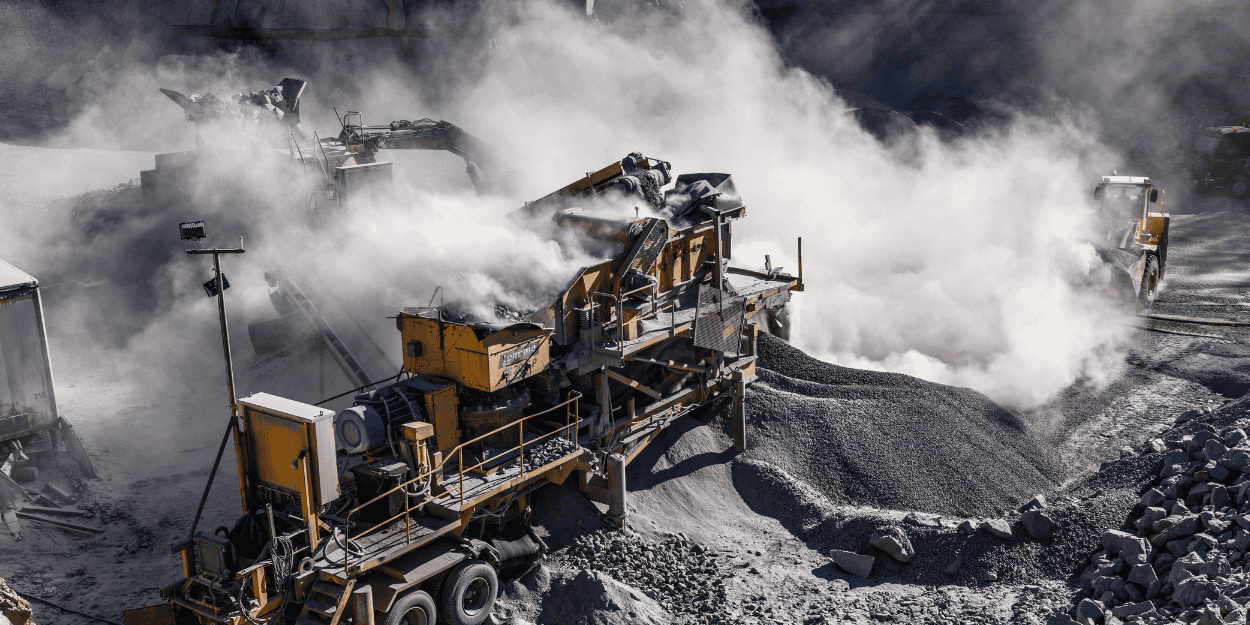
Protecting Air Quality in Industrial Settings
Maintaining optimal indoor air quality (IAQ) is critical in Australian industrial settings. Poor air quality not only poses serious health risks to workers but can also impact product quality and compliance with national regulations. A key factor in IAQ management is controlling particulate matter, particularly PM2.5 and PM10.
Breaking Down PM2.5 and PM10: What You Need to Know
Particulate matter (PM) consists of microscopic airborne particles that can have serious health and environmental consequences. Their size determines how deeply they penetrate the respiratory system and their potential risks to human health.
PM2.5 refers to particles with a diameter of 2.5 micrometres or smaller. These fine particles can reach deep into the lungs and even enter the bloodstream, leading to cardiovascular and respiratory diseases. In Australian industrial settings, sources of PM2.5 include combustion processes (such as diesel engines and boilers), emissions from industrial processes, and chemical reactions.
PM10 encompasses particles with a diameter of 10 micrometres or smaller. While they do not penetrate as deeply as PM2.5, they can still cause respiratory irritation and eye, nose, and throat discomfort. Common industrial sources include dust from grinding, cutting, drilling, and construction activities.
Why Are PM2.5 and PM10 Readings So Similar?
In some Australian workplaces, PM2.5 and PM10 readings may appear very similar. This can be attributed to several factors:
-
-
- Source Composition: Some industrial processes predominantly generate fine particles, leading to closely aligned PM2.5 and PM10 measurements.
- Monitoring Sensitivity: The accuracy and calibration of air quality instruments can influence readings, sometimes making them appear closer than they actually are.
-
The Hidden Risks of Particulate Matter in the Workplace
Particulate matter presents several risks and challenges for Australian industries:
-
-
- Worker Health: Long-term exposure to PM2.5 and PM10 can result in chronic respiratory illnesses, cardiovascular diseases, and decreased productivity due to increased absenteeism.
-
- Regulatory Requirements: Australian workplace health and safety regulations, including exposure limits set by Safe Work Australia, mandate acceptable levels of airborne contaminants. Non-compliance can result in hefty fines, legal consequences, and reputational damage.
- Impact on Manufacturing: Industries relying on precision manufacturing or sensitive materials may experience quality issues due to particulate contamination, leading to product defects and financial losses.
-
Winning the Battle Against PM2.5 and PM10
Australian industries can take proactive steps to manage and reduce PM2.5 and PM10 levels in workplaces:
-
-
- Enhanced Filtration: Installing high-efficiency particulate air (HEPA) filters or filters with high Minimum Efficiency Reporting Value (MERV) ratings can effectively remove particulate matter from the air. Regular maintenance and timely filter replacements are essential for sustained performance.
-
- Source Mitigation: Controlling emissions at the source can significantly reduce particulate matter levels. This includes using cleaner fuels, optimising combustion efficiency, and employing dust suppression measures in high-exposure tasks like grinding and cutting.
-
- Ventilation Improvements: Ensuring adequate ventilation helps dilute and remove airborne contaminants. Properly designed HVAC systems and local exhaust ventilation (LEV) in high-emission zones can enhance air quality.
- Ongoing Monitoring: Continuous air quality monitoring with reliable instruments allows for real-time assessment and quick responses to rising PM levels. Data-driven insights can inform maintenance schedules and identify high-risk areas requiring intervention.
-
By implementing these strategies, Australian workplaces can create safer environments, ensure regulatory compliance, and enhance overall operational efficiency.